Revolutionary Pocketbooks
Since the dark dawn of the age of Capital, all manner of thinkers, writers, and militants have been following Marx’s maxim, and struggling to both interpret the world we live in, and radically transform it. Short, sharp, and accessible, the classics and the contemporary – the Revolutionary Pocketbooks collect the essential texts emanating from such a dialectic.
For more about Revolutionary Pocketbooks click HERE.
9 titles
Books
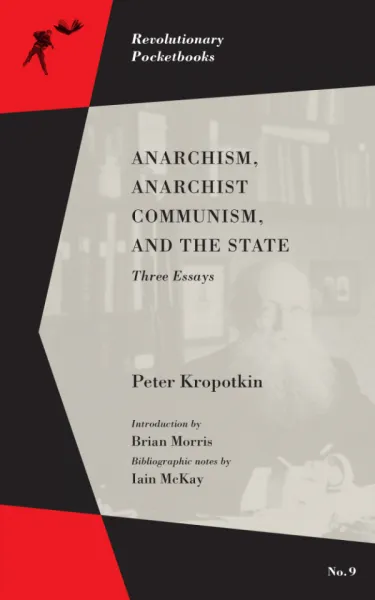
Anarchism, Anarchist Communism, and The State: Three Essays
Peter Kropotkin • Introduction: Brian Morris • Bibliographic notes: Iain McKay
This collection contextualises and contemporises three of Kropotkin’s most influential essays.
This collection contextualises and contemporises three of Kropotkin’s most influential essays.
$14.95
Options
Books
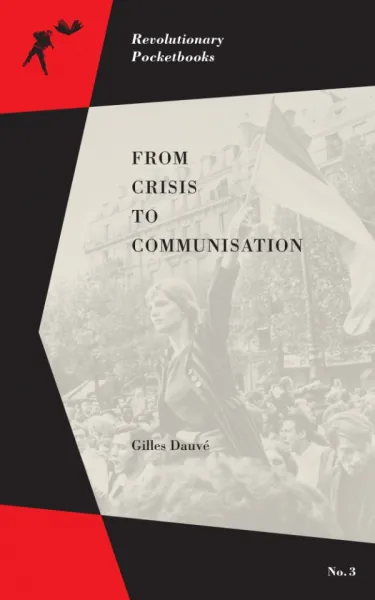
From Crisis to Communisation
Gilles Dauvé
Radical theory is meaningful if it addresses the question: How can proletarian resistance to exploitation and dispossession achieve more than aggravate the crisis? How can it reshape the world?
Radical theory is meaningful if it addresses the question: How can proletarian resistance to exploitation and dispossession achieve more than aggravate the crisis? How can it reshape the world?
$16.95
Options
Books
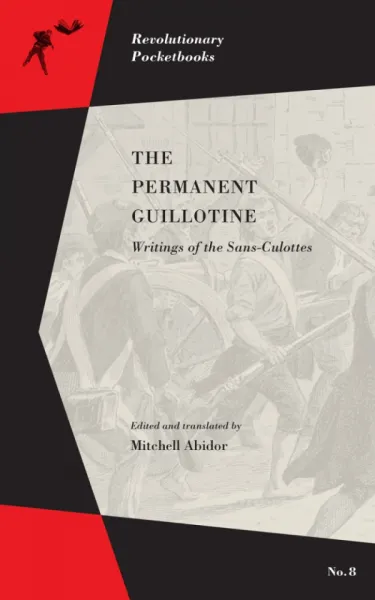
The Permanent Guillotine: Writings of the Sans-Culottes
Editor and translator: Mitch Abidor
This is an anthology of figures who expressed the will and wishes of this nascent revolutionary class, in all its rage, directness, and contradictoriness.
This is an anthology of figures who expressed the will and wishes of this nascent revolutionary class, in all its rage, directness, and contradictoriness.
$14.95
Options
Books
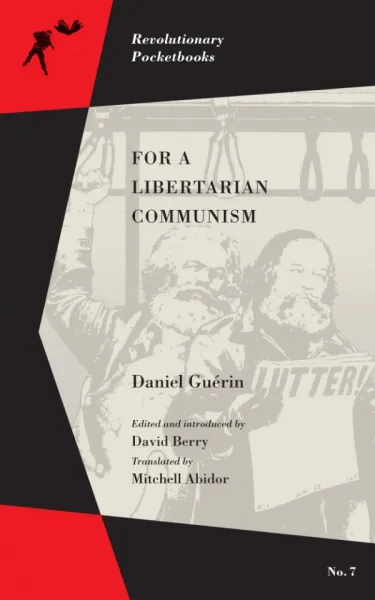
For a Libertarian Communism
Daniel Guérin
Guérin not only provides a critique of the socialist and communist parties of his day, he analyzes some of the most fundamental and pressing questions with which all radicals must engage.
Guérin not only provides a critique of the socialist and communist parties of his day, he analyzes some of the most fundamental and pressing questions with which all radicals must engage.
$14.95
Options
Books
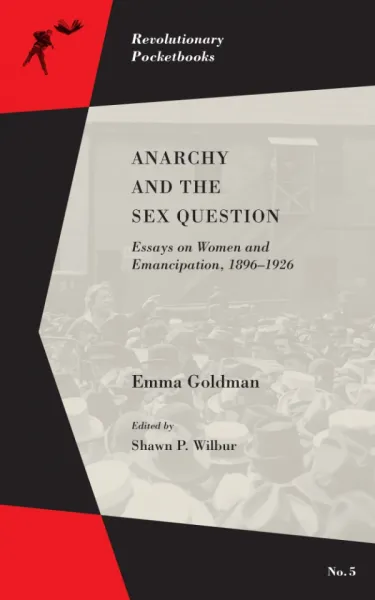
Anarchy and the Sex Question: Essays on Women and Emancipation, 1896-1926
Emma Goldman - Editor: Shawn P. Wilbur
"The Sex Question" emerged for Goldman in multiple contexts as varied as women's suffrage, "free love," birth control, the "New Woman," homosexuality, marriage, love, and literature.
"The Sex Question" emerged for Goldman in multiple contexts as varied as women's suffrage, "free love," birth control, the "New Woman," homosexuality, marriage, love, and literature.
$14.95
Options
Books
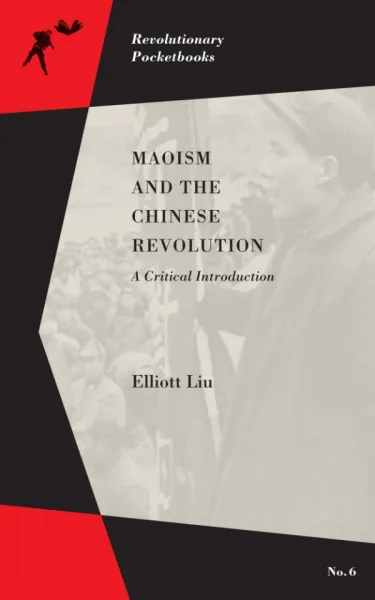
Maoism and the Chinese Revolution: A Critical Introduction
Elliott Liu
Maoism and the Chinese Revolution offers the novice reader a sweeping overview of five decades of Maoist revolutionary history.
Maoism and the Chinese Revolution offers the novice reader a sweeping overview of five decades of Maoist revolutionary history.
$17.95
Options
Books
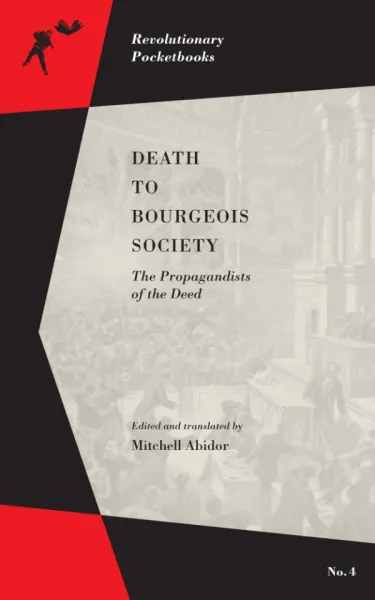
Death to Bourgeois Society: The Propagandists of the Deed
Editor and translator: Mitchell Abidor
Death to Bourgeois Society tells the story of four young anarchists who were guillotined in France in the 1890s: Ravachol, Auguste Vaillant, Emile Henry, and the Italian immigrant Santo Caserio.
Death to Bourgeois Society tells the story of four young anarchists who were guillotined in France in the 1890s: Ravachol, Auguste Vaillant, Emile Henry, and the Italian immigrant Santo Caserio.
$14.95
Options
Books
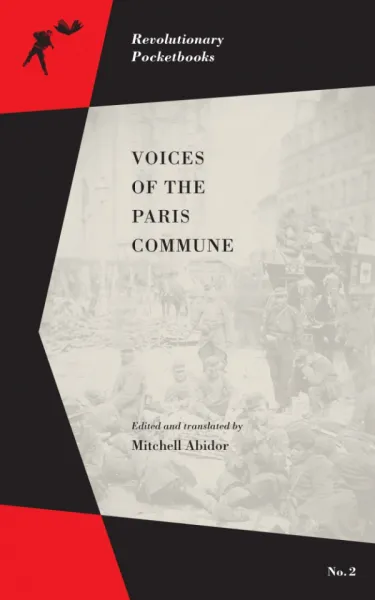
Voices of the Paris Commune
Editor: Mitchell Abidor
Voices of the Paris Commune presents the stories of those who lived through and participated in the Commune in the spring of 1871.
Voices of the Paris Commune presents the stories of those who lived through and participated in the Commune in the spring of 1871.
$14.95
Options
Books
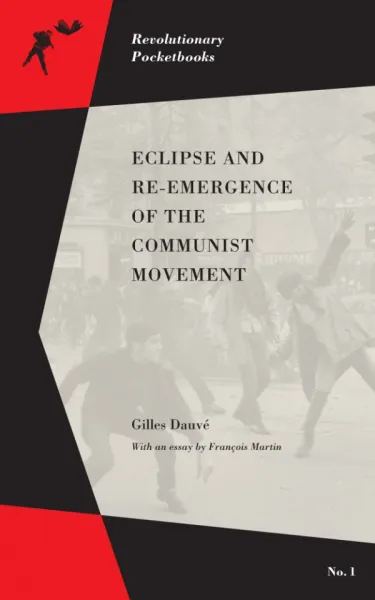
Eclipse and Re-emergence of the Communist Movement
Gilles Dauvé and François Martin
Doing away with wage-labor, class, the State, and private property is possible, and can only be achieved by a historical break, it will not be a peaceful, gradual, piecemeal evolution.
Doing away with wage-labor, class, the State, and private property is possible, and can only be achieved by a historical break, it will not be a peaceful, gradual, piecemeal evolution.
$14.95
Options
Books
Anarchism, Anarchist Communism, and The State: Three Essays
Peter Kropotkin • Introduction: Brian Morris • Bibliographic notes: Iain McKay
This collection contextualises and contemporises three of Kropotkin’s most influential essays.
This collection contextualises and contemporises three of Kropotkin’s most influential essays.
$14.95
Books
From Crisis to Communisation
Gilles Dauvé
Radical theory is meaningful if it addresses the question: How can proletarian resistance to exploitation and dispossession achieve more than aggravate the crisis? How can it reshape the world?
Radical theory is meaningful if it addresses the question: How can proletarian resistance to exploitation and dispossession achieve more than aggravate the crisis? How can it reshape the world?
$16.95
Books
The Permanent Guillotine: Writings of the Sans-Culottes
Editor and translator: Mitch Abidor
This is an anthology of figures who expressed the will and wishes of this nascent revolutionary class, in all its rage, directness, and contradictoriness.
This is an anthology of figures who expressed the will and wishes of this nascent revolutionary class, in all its rage, directness, and contradictoriness.
$14.95
Books
For a Libertarian Communism
Daniel Guérin
Guérin not only provides a critique of the socialist and communist parties of his day, he analyzes some of the most fundamental and pressing questions with which all radicals must engage.
Guérin not only provides a critique of the socialist and communist parties of his day, he analyzes some of the most fundamental and pressing questions with which all radicals must engage.
$14.95
Books
Anarchy and the Sex Question: Essays on Women and Emancipation, 1896-1926
Emma Goldman - Editor: Shawn P. Wilbur
"The Sex Question" emerged for Goldman in multiple contexts as varied as women's suffrage, "free love," birth control, the "New Woman," homosexuality, marriage, love, and literature.
"The Sex Question" emerged for Goldman in multiple contexts as varied as women's suffrage, "free love," birth control, the "New Woman," homosexuality, marriage, love, and literature.
$14.95
Books
Maoism and the Chinese Revolution: A Critical Introduction
Elliott Liu
Maoism and the Chinese Revolution offers the novice reader a sweeping overview of five decades of Maoist revolutionary history.
Maoism and the Chinese Revolution offers the novice reader a sweeping overview of five decades of Maoist revolutionary history.
$17.95
Books
Death to Bourgeois Society: The Propagandists of the Deed
Editor and translator: Mitchell Abidor
Death to Bourgeois Society tells the story of four young anarchists who were guillotined in France in the 1890s: Ravachol, Auguste Vaillant, Emile Henry, and the Italian immigrant Santo Caserio.
Death to Bourgeois Society tells the story of four young anarchists who were guillotined in France in the 1890s: Ravachol, Auguste Vaillant, Emile Henry, and the Italian immigrant Santo Caserio.
$14.95
Books
Voices of the Paris Commune
Editor: Mitchell Abidor
Voices of the Paris Commune presents the stories of those who lived through and participated in the Commune in the spring of 1871.
Voices of the Paris Commune presents the stories of those who lived through and participated in the Commune in the spring of 1871.
$14.95
Books
Eclipse and Re-emergence of the Communist Movement
Gilles Dauvé and François Martin
Doing away with wage-labor, class, the State, and private property is possible, and can only be achieved by a historical break, it will not be a peaceful, gradual, piecemeal evolution.
Doing away with wage-labor, class, the State, and private property is possible, and can only be achieved by a historical break, it will not be a peaceful, gradual, piecemeal evolution.
$14.95