
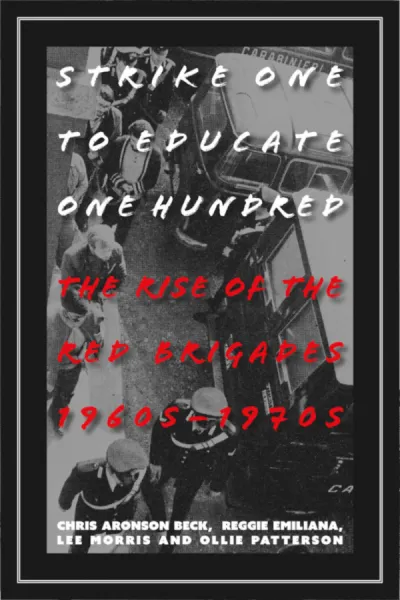
Strike One to Educate One Hundred: The Rise of the Red Brigades 1960s-1970s
When Strike One to Educate One Hundred was written, Italy’s Red Brigades (Brigate Rosse) were crashing out of our daily newspapers into everyone’s awareness. Yet, almost no real information about them was available here. Strike One was written for that need. It was not an academic study. It was written by people who were doing it, and read by people who wanted to do it.
Now there are many books and countless papers and articles about the Red Brigades’ history, but most are from a police and state point of view. Strike One is still a unique and practically useful work, because it tells the other side, of innovative anti-capitalism. It details how the spectre of urban guerrilla warfare grew at last out of the industrial centers of modern Italy. Showing how this was a political project of a young working class layer that was fed up with reformism’s lies. The authors, who were varied supporters who chose to remain anonymous due to Italy and NATO’s draconian “anti-terrorist” laws, tell much of this story in the militants’ own words: in translations of key political documents, news reports and communiqués.
Practical details of the BR’s innovative politics are a backbone of this book, and especially about its distinctive fighting style in the early defining battles. These working class rebels were categorically opposed to bombings—which they labeled as the indiscriminate, anti-working class tactics of fascists and right-wingers—opposing any armed violence which couldn’t precisely target the ruling class and its active servants. This writing also placed that urban guerrilla project in its context in Italy’s large, complex 1960s left. Long circulated in left circles as a photocopy, Strike One is finally published here as a book for the first time.
When Strike One to Educate One Hundred was written, Italy’s Red Brigades were crashing out of our daily newspapers into everyone’s awareness. Yet, almost no real information about them was available here. Strike One was written for that need. It was not an academic study. It was written by people who were doing it, and read by people who wanted to do it.
Now there are many books and countless papers and articles about the Red Brigades’ history, but most are from a police and state point of view. Strike One is still a unique and practically useful work, because it tells the other side, of innovative anti-capitalism. It details how the spectre of urban guerrilla warfare grew at last out of the industrial centers of modern Italy. Showing how this was a political project of a young working class layer that was fed up with reformism’s lies. The authors, who were varied supporters who chose to remain anonymous due to Italy and NATO’s draconian “anti-terrorist” laws, tell much of this story in the militants’ own words: in translations of key political documents, news reports and communiqués.
Practical details of the BR’s innovative politics are a backbone of this book, and especially about its distinctive fighting style in the early defining battles . These working class rebels were categorically opposed to bombings—which they labeled as the indiscriminate, anti-working class tactics of fascists and right-wingers—opposing any armed violence which couldn’t precisely target the ruling class and its active servants. This writing also placed that urban guerrilla project in its context in Italy’s large, complex 1960s left. Long circulated by left circles as a photocopy, Strike One is finally published here as a book for the first time.
You May Also Like
Turning Money into Rebellion: The Unlikely Story of Denmark’s Revolutionary Bank Robbers
This is the story of the Blekingegade Group who over a period of almost two decades sent millions of dollars acquired in spectacular heists to Third World liberation movements.
The Angry Brigade: A History of Britain's First Urban Guerilla Group
Based on extensive research, this book remains the essential study of Britain's first urban guerilla group.
The Angry Brigade: The Spectacular Rise and Fall of Britain's First Urban Guerilla Group (DVD)
—Angry Brigade, communique
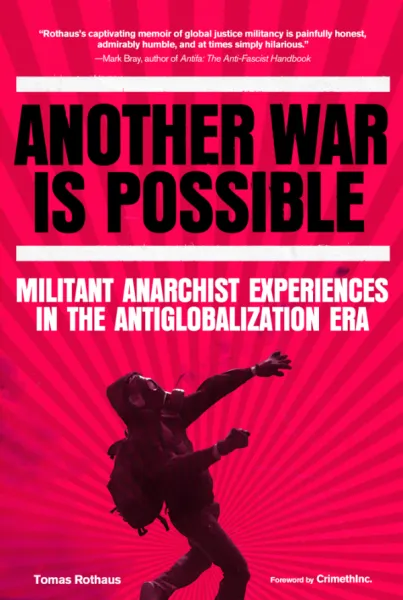
Another War Is Possible: Militant Anarchist Experiences in the Antiglobalization Era
A history of twentieth century anarchist mass mobilizations and the movement against capitalist globalization come to life.
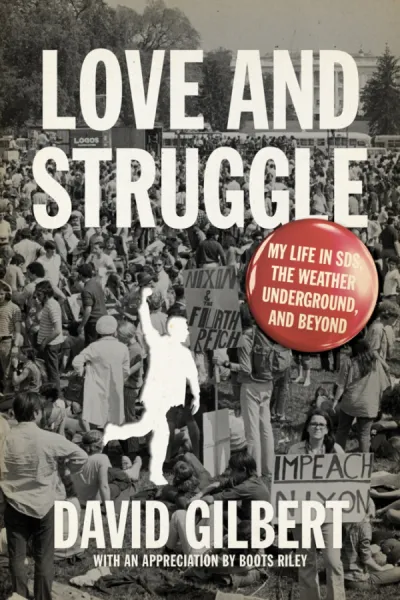
Love and Struggle: My Life in SDS, the Weather Underground, and Beyond
A candid, uncompromising, yet ultimately humane autobiography by arguably one of the most celebrated political prisoners in the world.
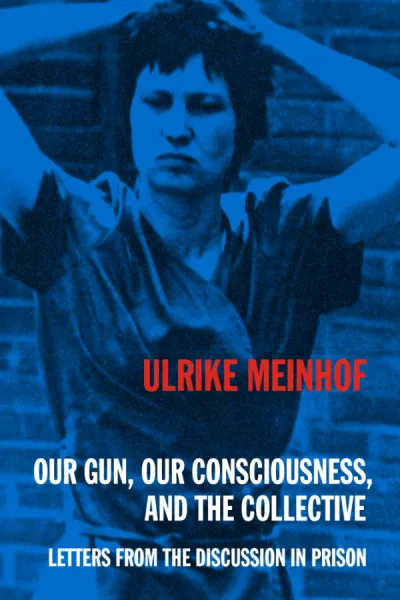
Our Gun, Our Consciousness, and the Collective: Letters from the Discussion in Prison
We are disarmed, but what they will never be able to take away from us, if we defend it tooth and nail, is our consciousness and the collective.
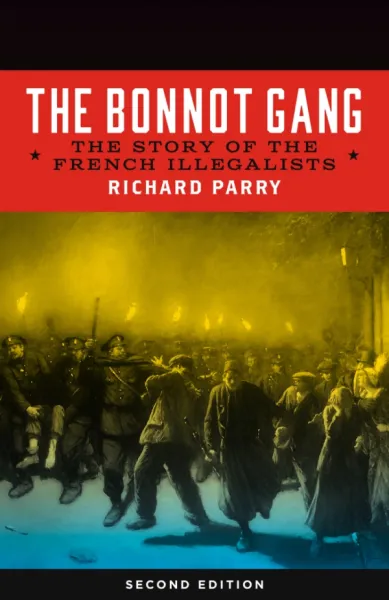
The Bonnot Gang: The Story of the French Illegalists, 2nd ed.
The Bonnot Gang were the most notorious French anarchists ever, and as bank expropriators the inventors of the motorized “getaway.” It is the story of how the anarchist taste for illegality developed into illegalism.
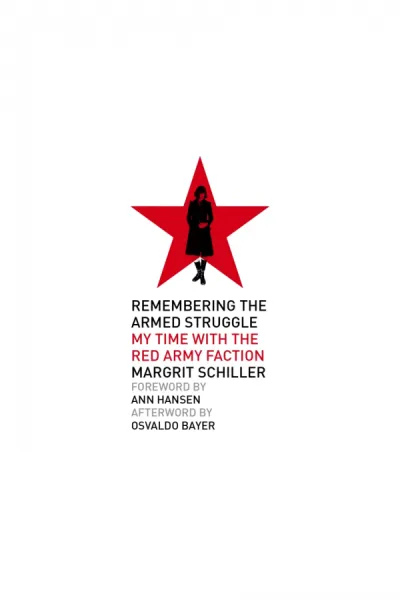
Remembering the Armed Struggle: My Time with the Red Army Faction
Recently Viewed
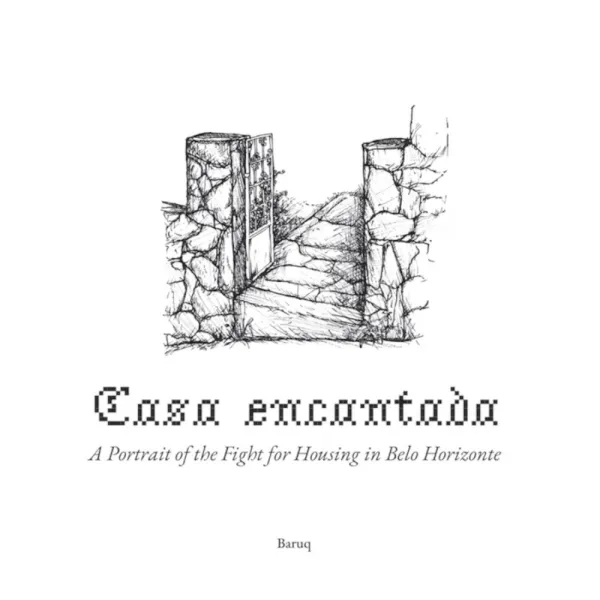
Casa Encantada: A Portrait of the Fight for Housing in Belo Horizonte
The book Casa Encantada the almost 20 old abandoned houses in Belo Horizonte that have been squatted and transformed into homes and social centers.
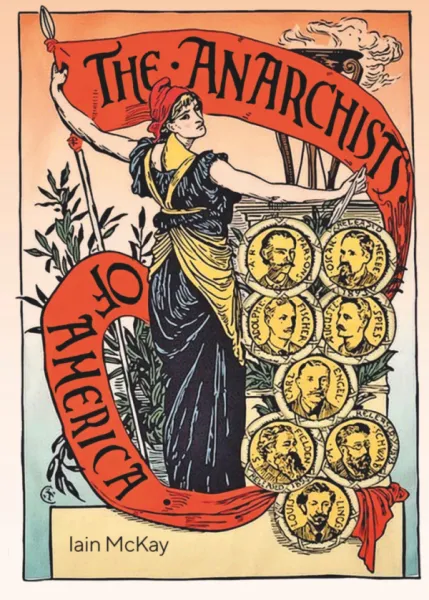
The Anarchists of America: The International Working People’s Association (A6)
The Haymarket martyrs were members of the International Working People’s Association. Find out what it stood for and its relevance today with this discussion and contextualising of its theory and practice.
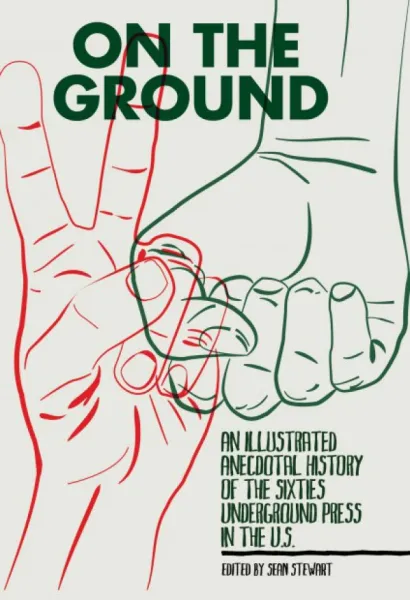
On the Ground: An Illustrated Anecdotal History of the Sixties Underground Press in the U.S.
In four short years (1965–1969), the U.S. underground press grew from five small newspapers to over 500 newspapers. Completely circumventing (and subverting) the establishment media.
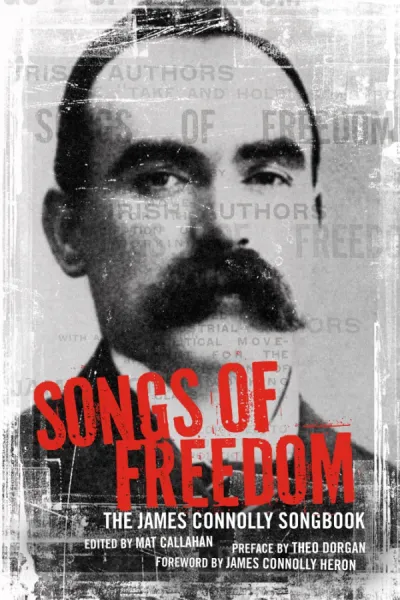
Songs of Freedom: The James Connolly Songbook
Songs of Freedom is a celebration of the life and work of James Connolly, the Irish revolutionary socialist. It is at once a collection of stirring revolutionary songs and a vital history.